
The Structural Drying Process: What Happens After Water Extraction
Key Takeaways
- Structural drying removes moisture from the building itself, not just the standing water.
- It uses three forces: extraction, air movement, and dehumidification.
- Skipping thorough drying invites mold, rot, and hidden long-term damage.
What Structural Drying Really Is
Pumping out standing water is only the first step. The building materials stay soaked long after the floor looks clear. Structural drying pulls that moisture out of the structure itself.
Walls, subfloors, and framing all hold water you cannot see. Left wet, they warp and grow mold. K & D Development treats this fire and water restoration phase as what actually saves a Denver home.
The Three Ways Water Leaves a Structure
Professional drying relies on three forces working together. Each one moves moisture a different way. Balancing them is what makes drying fast and complete.
- Extraction removes the bulk standing water.
- Air movement speeds evaporation from wet surfaces.
- Dehumidification pulls that moisture out of the air.
Step One: Extraction
Extraction comes first and does the heavy lifting. Powerful pumps and vacuums remove standing water fast. The more water pulled now, the less has to evaporate later.
This step alone can remove the vast majority of the water. It shortens the whole drying timeline. Skipping it leaves the equipment fighting a losing battle.
Step Two: Air Movement
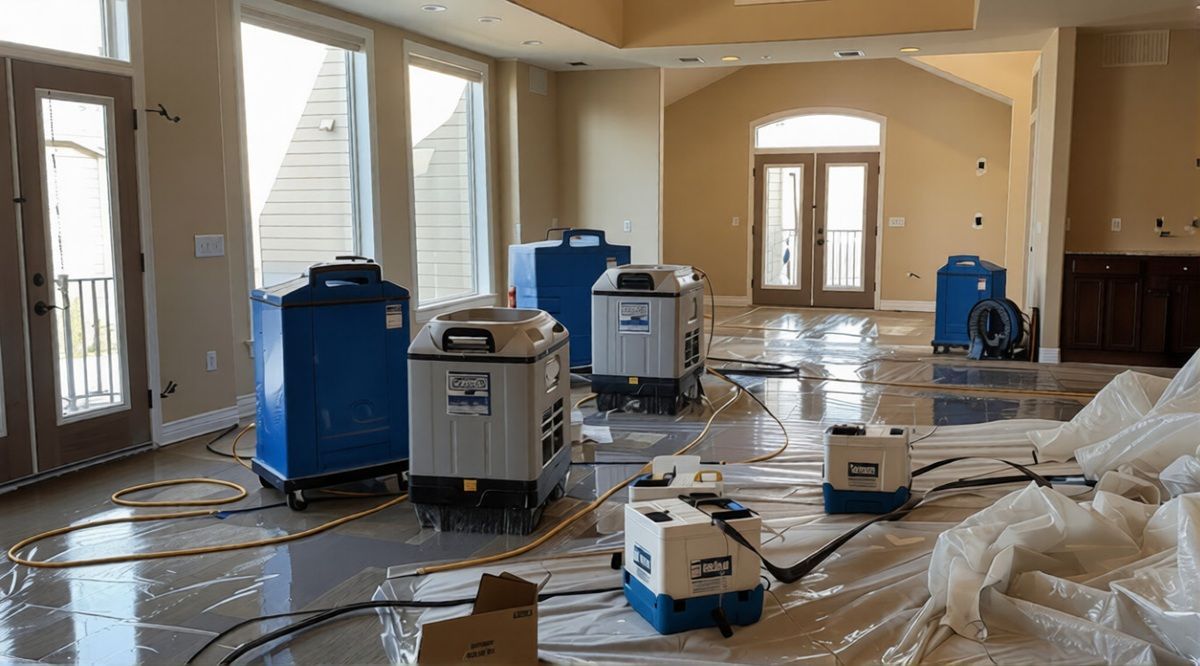
Next come the air movers, placed at careful angles. They push a stream of air across wet surfaces. That airflow speeds evaporation from floors, walls, and framing.
Placement is a skill, not a guess. Air movers are aimed to sweep moisture off every surface. Done right, they turn trapped water into vapor the dehumidifier can catch.
Step Three: Dehumidification
Evaporation only helps if the vapor is removed. Otherwise it just settles back onto other surfaces. Dehumidifiers pull that moisture out of the air.
This keeps the drying cycle moving forward. Wet materials release vapor, and the dehumidifier captures it. The two steps run together until the home is dry.
Why Monitoring Matters
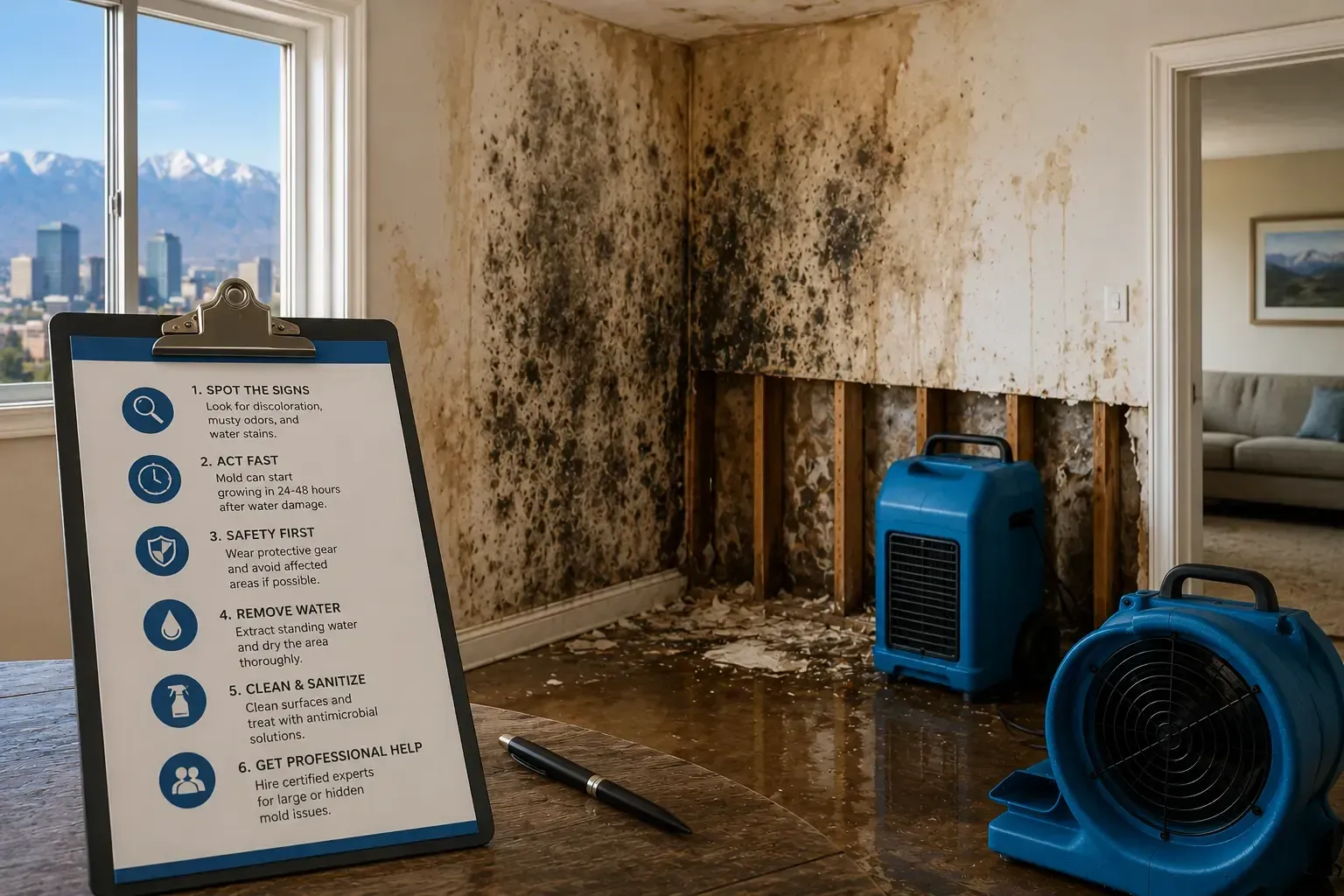
Drying is measured, not assumed. Technicians track moisture with meters every day. That matters because the EPA warns mold can grow within 24 to 48 hours of a water event.
Daily readings show whether the plan is working. If a spot lags, the equipment gets adjusted. Drying is done only when the numbers confirm it, not when the surface feels dry.
What Happens If Drying Is Incomplete
Rushing this phase is a costly mistake. Leftover moisture leads to mold, wood rot, and warped materials. Following the IICRC restoration standards is how a crew avoids that trap.
Incomplete drying hides the damage instead of fixing it. Weeks later, a musty smell or soft floor appears. Proper drying now prevents that second, larger repair.
Class and Category of Water Damage
Not all water damage is equal. Restorers grade it by how much of the room is wet and how clean the water is. A clean supply-line leak differs from a sewage backup. The grade shapes the drying plan.
Drying Hardwood Floors
Hardwood is one of the trickiest materials. Water gets trapped between the boards and the subfloor. Special mats and slow drying can often save it. Rushing the job warps the planks for good.
Behind Walls and Under Cabinets
Water hides in the spots you cannot see. It wicks up drywall and pools under cabinets. Technicians use meters to find these pockets. Then they open or vent the area to dry it.
The Role of Temperature
Warm air holds and moves more moisture. Restorers manage the room temperature during drying. The right heat speeds evaporation without harming materials. It is one more lever a pro controls.
Why Denver Air Helps and Hurts
Denver's dry climate speeds surface evaporation. That is a real advantage outdoors and in open rooms. But hidden pockets inside walls still need equipment. Dry air alone does not reach them.
Documenting the Drying for Insurance
Daily readings do double duty. They guide the drying and support your claim. A clear log shows the loss was handled properly. That record helps the payout go smoothly.
Salvage vs. Removal
Some materials dry and stay; others must go. Structural wood often dries in place. Saturated drywall and insulation usually come out. The moisture readings guide each call.
Odor and the Drying Process
A musty smell is a sign of leftover moisture. Proper drying removes the source of the odor. Air scrubbers can clear the air during the work. When the structure is dry, the smell goes with it.
Preventing Secondary Damage
Fast, complete drying stops a second wave of damage. Mold, rot, and warping all follow trapped water. Each one costs far more than the original event. Drying done right is the cheapest insurance.
When to Call the Pros
A small, quickly dried spill may be fine alone. Anything larger needs professional drying. Standing water, soaked drywall, or a musty smell are the triggers. Fast, expert drying protects the home.
Frequently Asked Questions
How long does structural drying take?
Most homes dry in three to five days. The timeline depends on how wet the materials are. Daily moisture readings confirm when it is done.
Why not just use fans from the hardware store?
Household fans move surface air only. They cannot pull moisture from inside walls and subfloors. Commercial air movers and dehumidifiers reach what they miss.
How do you know when a home is dry?
Technicians check moisture with meters daily. The home is dry when readings hit a set target. Feeling the surface is not enough.
Can I stay home during drying?
Often yes, though the equipment is loud. Your crew will flag any safety concerns. Keeping the machines running is what keeps drying on track.
What happens if drying is skipped?
Trapped moisture grows mold and rots wood. A small water event becomes a big repair. Thorough drying now prevents that outcome.
Make Sure Your Denver Home Is Truly Dry
Standing water is the obvious problem, but hidden moisture is the dangerous one. Proper structural drying is what protects your Denver home from mold and rot. A dry surface is not the same as a dry structure.
After a water event, K & D Development dries the structure the right way. Learn
whether a flooded Denver house can be repaired and what it takes to do it well.