Fire Damage Restoration Do’s & Don’ts | Denver, CO | K&D Development
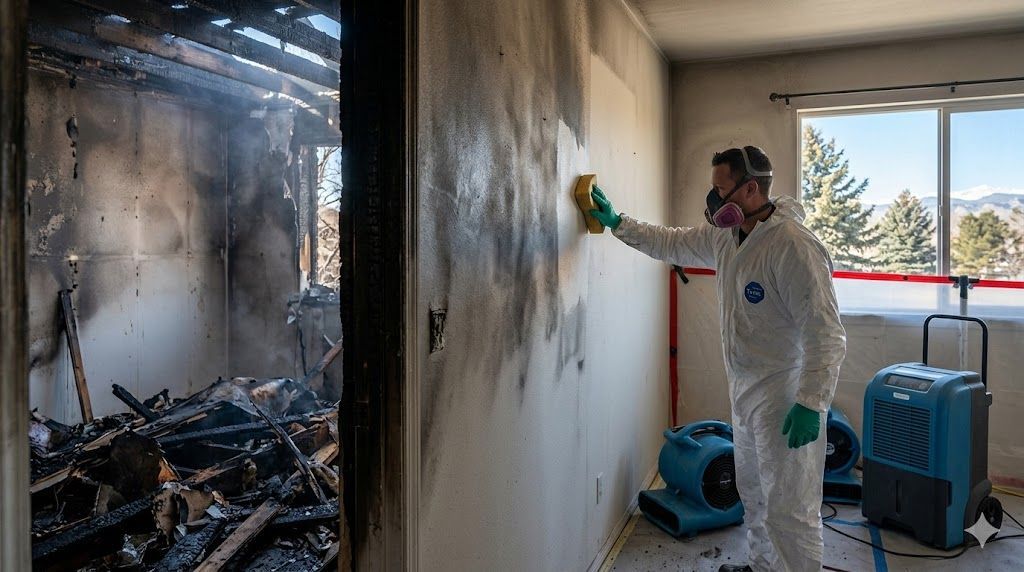
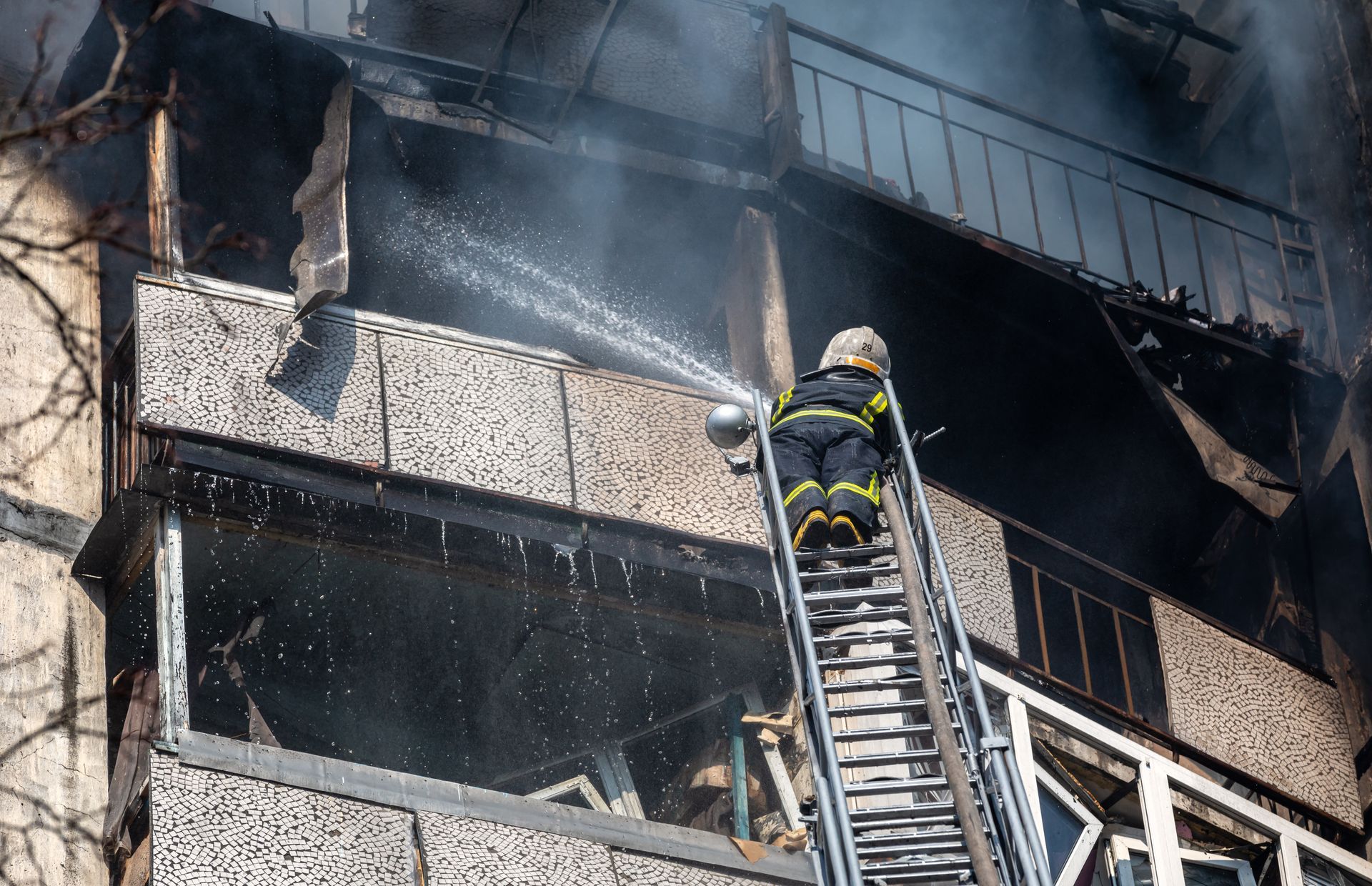
A house fire is one of the most overwhelming experiences a Denver homeowner can face. In the chaos that follows, the decisions you make in the first hours and days have a real, lasting impact — on your insurance claim, on what can be salvaged, and on how quickly life returns to normal.
At K&D Development, we’ve helped families across the Denver Metro Area — from Federal Heights and Northglenn to Aurora, Boulder, and Castle Rock — navigate fire damage restoration from the first phone call through final reconstruction. Over the years, we’ve seen the same mistakes cost homeowners thousands of dollars and weeks of recovery time. We’ve also watched informed homeowners get the full benefit of their policies and rebuild stronger than before.
This guide breaks down the most important do’s and don’ts of fire damage restoration so you can protect your property, your claim, and your peace of mind.
Why the First 72 Hours After a Fire Matter Most
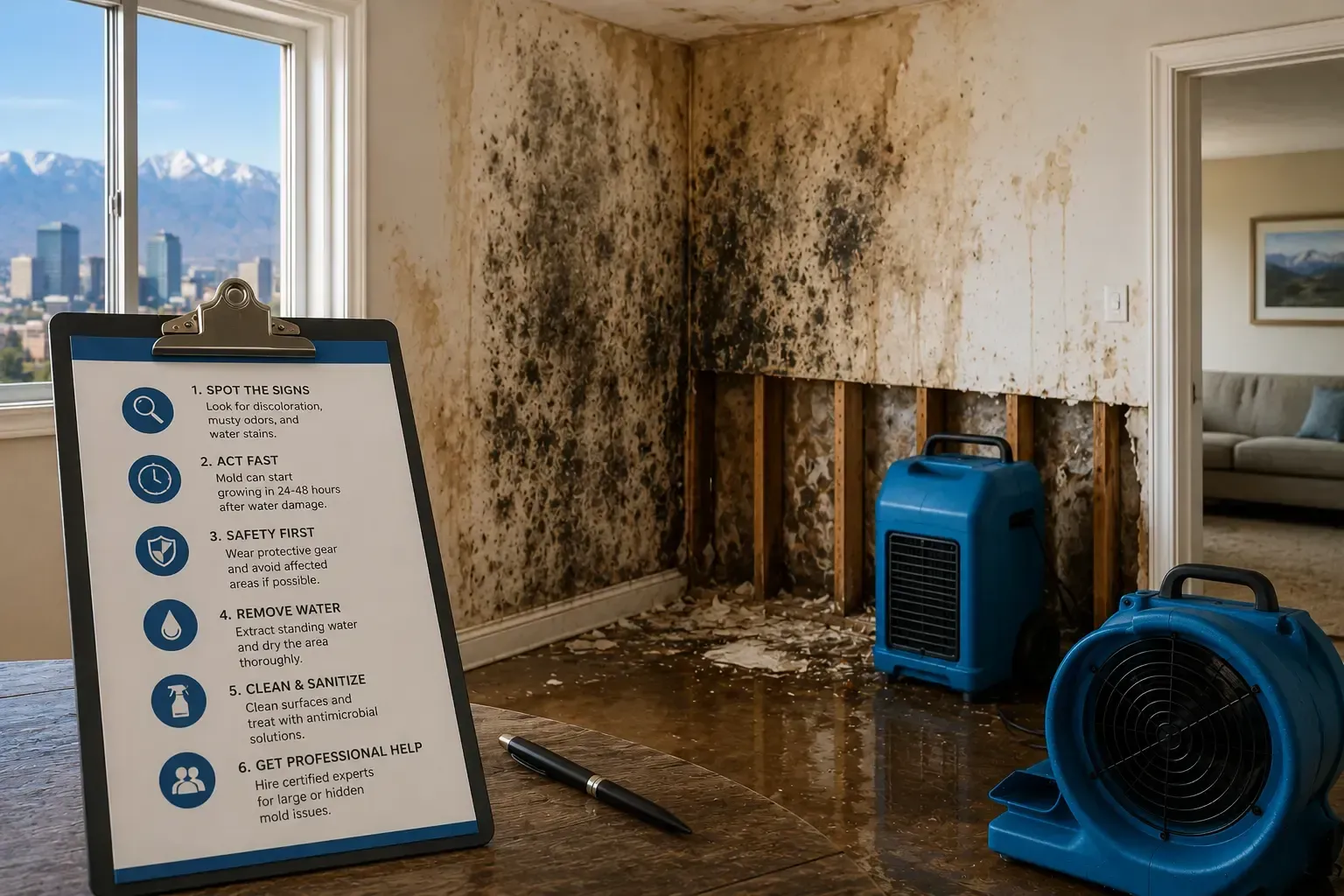
In the first three days after a fire, soot becomes acidic and starts etching surfaces, smoke odor penetrates deeper into porous materials like drywall and upholstery, and water left over from firefighting efforts can lead to mold growth within 24 to 48 hours. Acting quickly — but smartly — is the single biggest factor in a successful restoration outcome.
But “acting quickly” doesn’t mean signing the first contract pushed in front of you or letting just anyone start tearing out drywall. The right move is to call a licensed Denver general contractor who specializes in fire damage restoration. Then, follow the guidance below.
The Do’s: How to Protect Your Home and Your Insurance Claim
1. Do meet your restoration contractors face-to-face
Trust starts with a real conversation. Before signing anything, sit down with the team that will actually be working on your home. A reputable Denver fire damage restoration company will welcome the meeting and walk you through their process, credentials, and references. If a contractor pressures you to sign quickly or won’t meet in person, that’s a red flag.
2. Do ask plenty of questions
If this is your first time dealing with fire damage, you should be asking dozens of questions — and a good contractor will encourage every one of them. Ask about timelines, the order of operations, who handles which subcontractor, how communication will work, and what to expect when the adjuster visits. The more clarity you have upfront, the fewer surprises during the rebuild.
3. Do understand your insurance coverage before any work begins
This is where most homeowners lose money. Some restoration companies are eager to start swinging hammers the moment you sign on, but if the work isn’t properly scoped to your policy, you can end up paying out of pocket. Make sure every line item is documented and accounted for before demolition or rebuild begins. A trustworthy contractor will sit down with you and your policy first.
4. Do learn the restoration process
Fire restoration generally moves through emergency stabilization, board-up and tarping, water extraction, smoke and soot cleanup, content cleaning and storage, demolition, and finally reconstruction. Knowing the order and rough timeline keeps surprises to a minimum and helps you plan for temporary housing, school commutes, and pet care.
5. Do work with a contractor who advocates for you
Your contractor should be working for you — not the insurance carrier. At K&D Development, we partner with adjusters on your behalf, document everything in detail, and push to make sure you receive every dollar your policy allows. That advocacy can be the difference between a partial restoration and a full one.
6. Do choose a contractor with a vetted network
Fire damage restoration touches almost every trade: plumbers, electricians, framers, drywallers, painters, HVAC technicians, flooring installers, smoke and soot specialists, and contents restoration teams. A single contractor managing a vetted network of trusted professionals — instead of a different subcontractor showing up every day — keeps quality high and finger-pointing low.
The Don’ts: Mistakes That Cost Denver Homeowners Time and Money
1. Don’t blindly follow your insurance company’s recommendations
Insurance carriers often steer policyholders toward “preferred” vendors. Remember that those adjusters and vendor partners ultimately answer to the insurance company — not to you. You have the right to choose your own licensed contractor in Colorado, and choosing wisely can mean a stronger claim outcome.
2. Don’t use canned or packaged food and drinks stored near the fire
Heat, smoke, and water can compromise the integrity of packaging in ways that aren’t always visible. Toxins and bacteria can contaminate canned goods, bottled drinks, and shelf-stable foods that were anywhere near the affected area. Throw them out, document them, and let your policy cover replacement.
3. Don’t take fire-damaged clothing to a regular dry cleaner
Standard dry cleaning can actually set smoke odor into fabric permanently. Fire-damaged garments need specialty cleaning — typically ozone treatment, ultrasonic cleaning, or specialized solvents handled by textile restoration pros. Ask your contractor for a referral to a qualified company that handles fire-damaged textiles the right way.
4. Don’t remove or discard damaged belongings before documenting
Documentation is the foundation of your insurance claim. Before anything is moved, thrown out, or cleaned, photograph and video every room from multiple angles. Capture serial numbers on electronics and appliances when possible. The more thorough your documentation, the smoother your claim will go.
5. Don’t authorize permanent repairs before the adjuster inspects
Emergency stabilization — board-up, tarping, water extraction — should happen immediately to prevent further damage. But permanent repairs (drywall, framing, finish work) need to wait until the insurance adjuster has inspected and the scope of work is agreed upon. Starting permanent work too early can give the insurance company grounds to dispute portions of your claim.
Fire Damage in Denver, Colorado: What Makes Our Region Different
Colorado homes face fire risks that homeowners in other parts of the country may not think about. Wildfire smoke can drift into Front Range neighborhoods from miles away and leave a layer of contamination on attic insulation, HVAC systems, and exterior siding even when the home itself never burned. Dry winters, low humidity, and high altitude mean smoke odor lingers in porous materials longer here than at sea level.
Denver also has specific building codes, permitting requirements, and inspections that any reconstruction must meet. Working with a locally licensed general contractor who already knows the Denver permitting process saves homeowners weeks of delay.
Why Denver Homeowners Trust K&D Development for Fire Damage Restoration
K&D Development is a Denver-based SBA general contracting and construction company founded by professionals with over 150 years of combined experience across residential and commercial projects. We handle every stage of fire and water mitigation and restoration — from emergency board-up and smoke and soot cleanup, through reconstruction and final finishes.
Our team works directly with your insurance carrier and advocates for the coverage you’re entitled to. We service Denver and surrounding communities including Federal Heights, Northglenn, Thornton, Arvada, Westminster, Wheat Ridge, Broomfield, Lakewood, Brighton, Longmont, Boulder, Aurora, Golden, Castle Rock, Parker, Englewood, Centennial, Highlands Ranch, Commerce City, and Littleton.
Fire Damage Restoration FAQs
How long does fire damage restoration take in Denver?
Small smoke and soot cleanups can wrap up in a week or two. Major fires that require demolition and full reconstruction typically run several months. K&D Development gives you a realistic timeline during the planning phase so you can make informed decisions about temporary housing and schedules.
Will insurance cover everything?
Coverage depends on your specific policy, deductible, and the cause of the fire. Most homeowner policies cover the structure, contents, additional living expenses, and code upgrades — but only when properly documented. We help you understand your coverage and pursue every eligible line item.
Can I stay in my home during fire restoration?
It depends on the severity of the damage and air quality in the home. Even when structural damage is limited, lingering smoke and soot can be hazardous to breathe. Your contractor and insurance adjuster will help determine whether temporary relocation is necessary.
Do I need to call my insurance company before calling a contractor?
You can call either first. Many homeowners call a trusted contractor right away for emergency stabilization (board-up, tarping, water extraction) and then file the claim. Just make sure the contractor you call is licensed, insured, and experienced with insurance claims in Colorado.
What’s the difference between fire mitigation and fire restoration?
Mitigation is the immediate work that prevents further damage — board-up, tarping, water removal, soot containment. Restoration is the longer process of cleaning, repairing, and rebuilding your home back to pre-loss condition. K&D Development handles both.
Talk to a Denver Fire Damage Restoration Expert Today
If you’ve experienced a fire — or you just want to know who to call if you ever do — K&D Development is here to help. Our team responds 24/7 to emergency fire and water damage calls across the Denver Metro Area, and we’ll walk you through every step from the first phone call through the final walkthrough of your rebuilt home.
Call us anytime at 303-359-0214 or visit kddevelop.com to schedule a free consultation. Learn more about our Fire Damage Restoration services, Smoke and Soot Cleanup, and Board Up services.