How Long Does a Home Renovation Take in Denver? A Complete Timeline Guide
One of the biggest questions homeowners have before starting a renovation is also one of the hardest to answer: when will it be finished?
The truth is that renovation timelines vary considerably.
A small project may take a few weeks, while a large addition or full home renovation can take several months. K&D Development notes that project timelines depend on the size and complexity of the work.
Understanding what happens during each stage can help you plan your life around construction.
What Determines a Renovation Timeline?
Several factors influence how long a project takes.
The Size of the Project
A bathroom remodel is usually much smaller than a whole house renovation.
The more rooms and systems involved, the more coordination is required.
Structural Changes
Moving walls, changing layouts, adding square footage, or modifying structural components can add significant time.
These projects often require more planning, inspections, and specialized trades.
Plumbing and Electrical Work
Projects involving major plumbing or electrical changes can take longer than cosmetic renovations.
These systems often need to be coordinated before walls are closed and finished surfaces are installed.
Material Availability
Your project can only move as quickly as materials arrive.
Cabinetry, specialty tile, appliances, windows, doors, and custom products can all affect the schedule.
A Typical Home Renovation Timeline
While every project is different, most renovations follow a similar sequence.
Stage 1: Consultation and Planning
The process begins by defining what you want to accomplish.
K&D Development's remodeling process starts with contacting the company, discussing your needs and budget, preparing an estimate, approving the project, and then beginning construction.
This stage is important because good planning can prevent problems later.
Stage 2: Design
Depending on the project, design may involve layout planning, material selection, drawings, and three dimensional renderings.
The more detailed the renovation, the more valuable this stage becomes.
Stage 3: Permits and Approvals
Some remodeling projects require permits and inspections.
Projects involving electrical, plumbing, structural changes, or additions may require additional approvals.
K&D Development handles necessary permits and inspections for its remodeling projects.
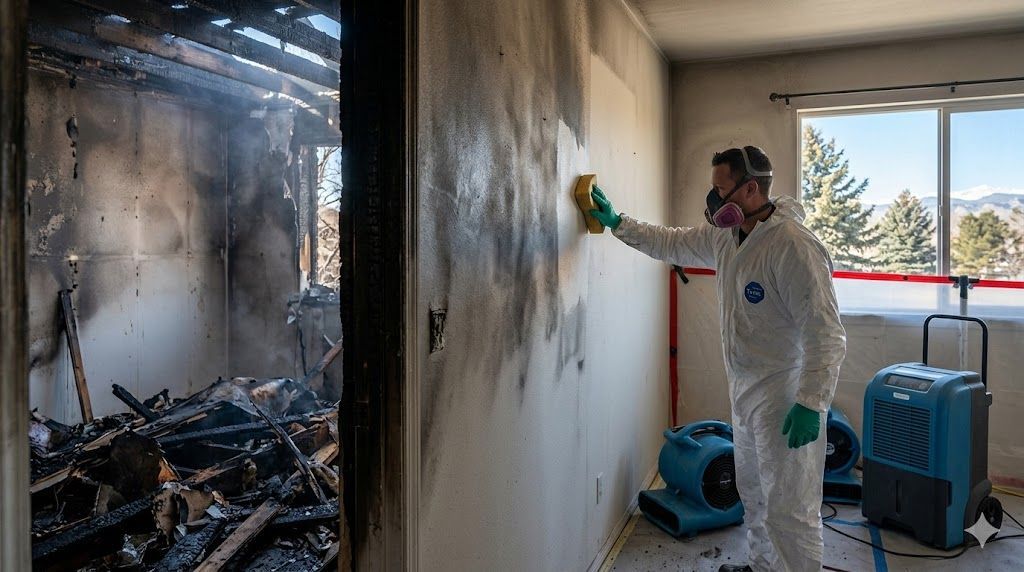
Stage 4: Demolition
Once construction begins, existing materials may need to be removed.
This could involve cabinets, flooring, drywall, fixtures, walls, or other components.
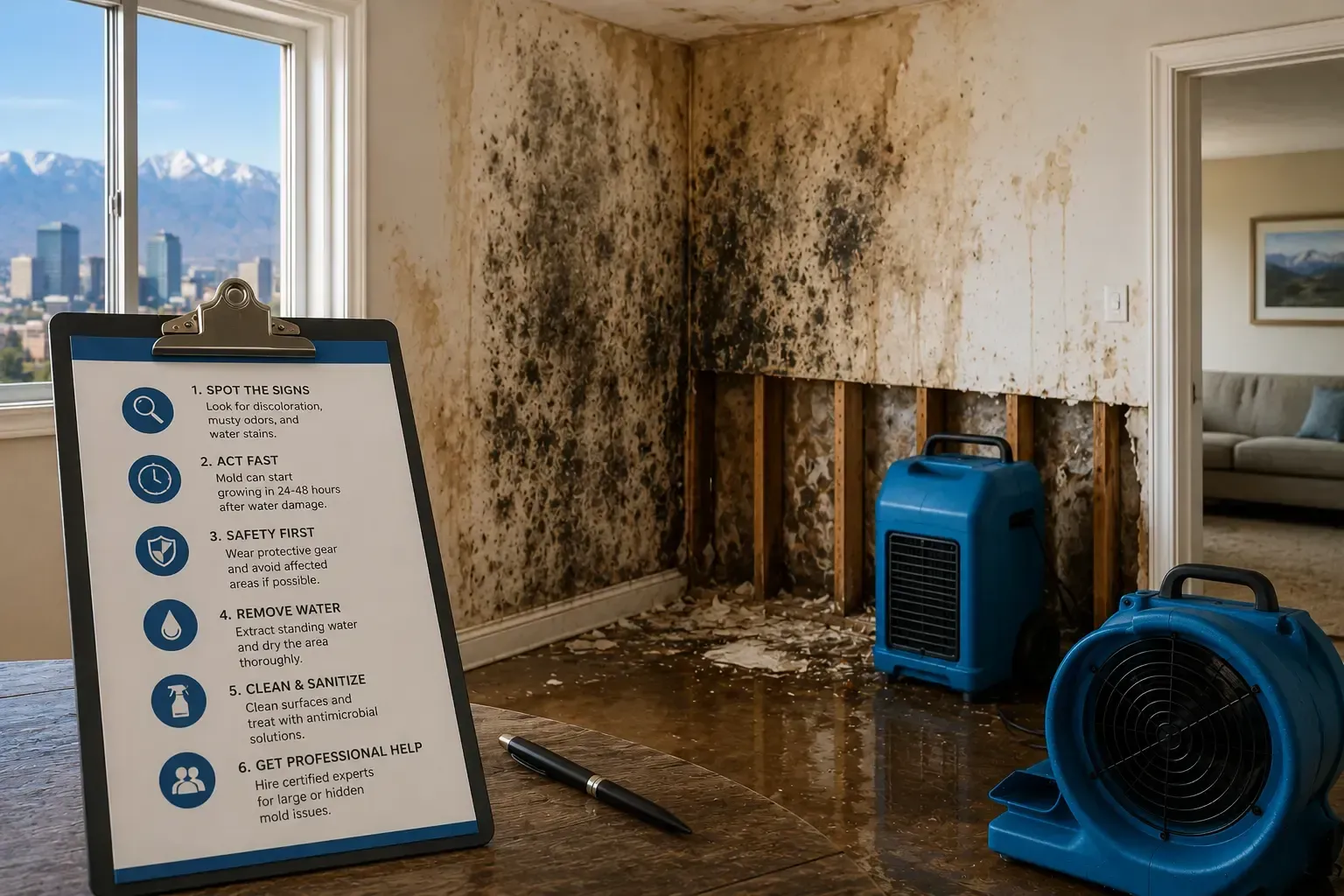
The demolition phase often reveals conditions that were not visible before construction.
Stage 5: Rough Construction
This is where much of the behind the scenes work happens.
Plumbing, electrical, framing, insulation, and other systems are installed or modified before the walls and finishes are completed.
Stage 6: Finishes
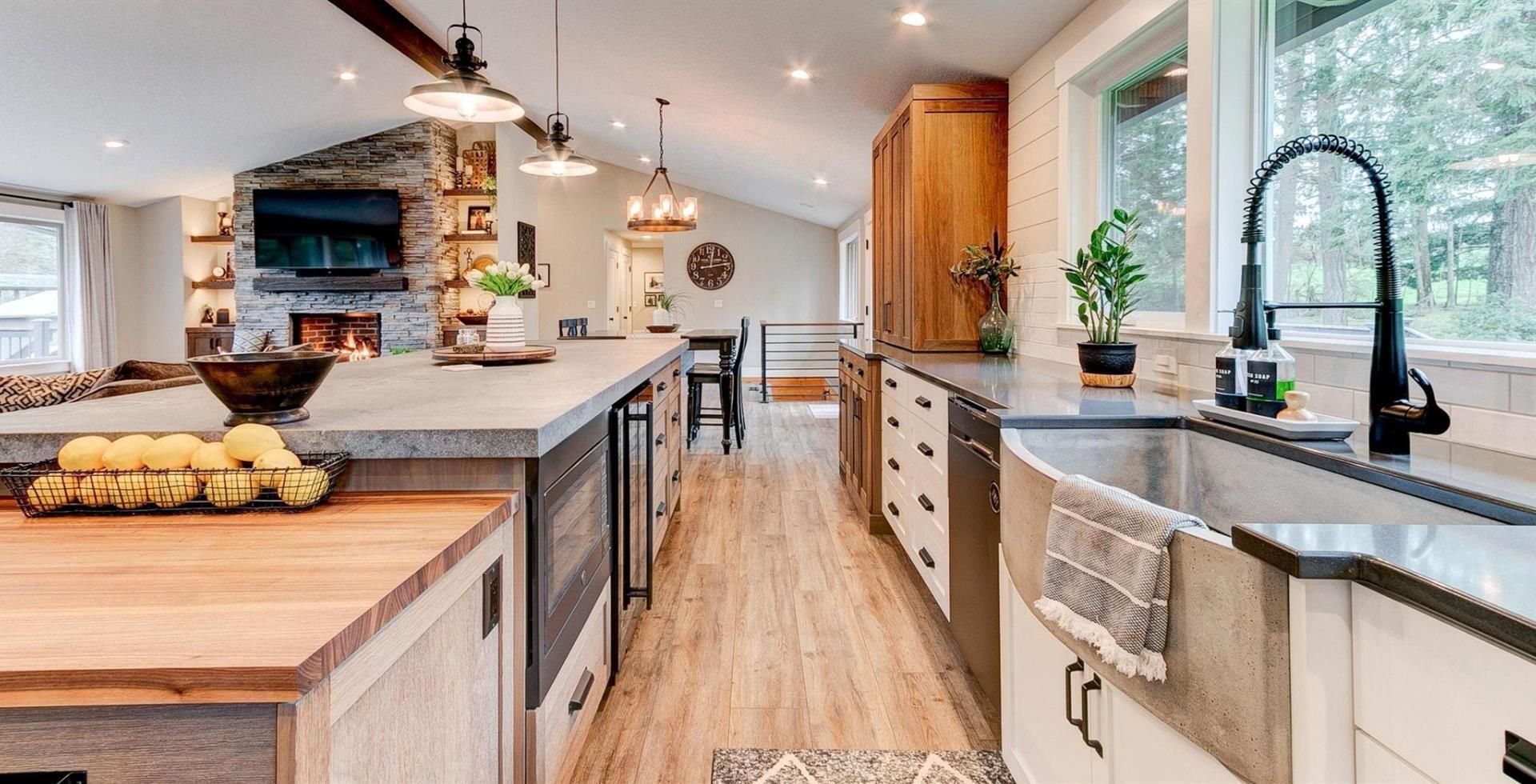
Once the major systems are completed, the project begins to look like the finished space.
Cabinets, flooring, countertops, tile, fixtures, paint, trim, lighting, and other finishes are installed.
Stage 7: Final Walkthrough
The project ends with a review of the completed work.
K&D Development describes a final stage focused on client satisfaction and completing the project according to the agreed plans.
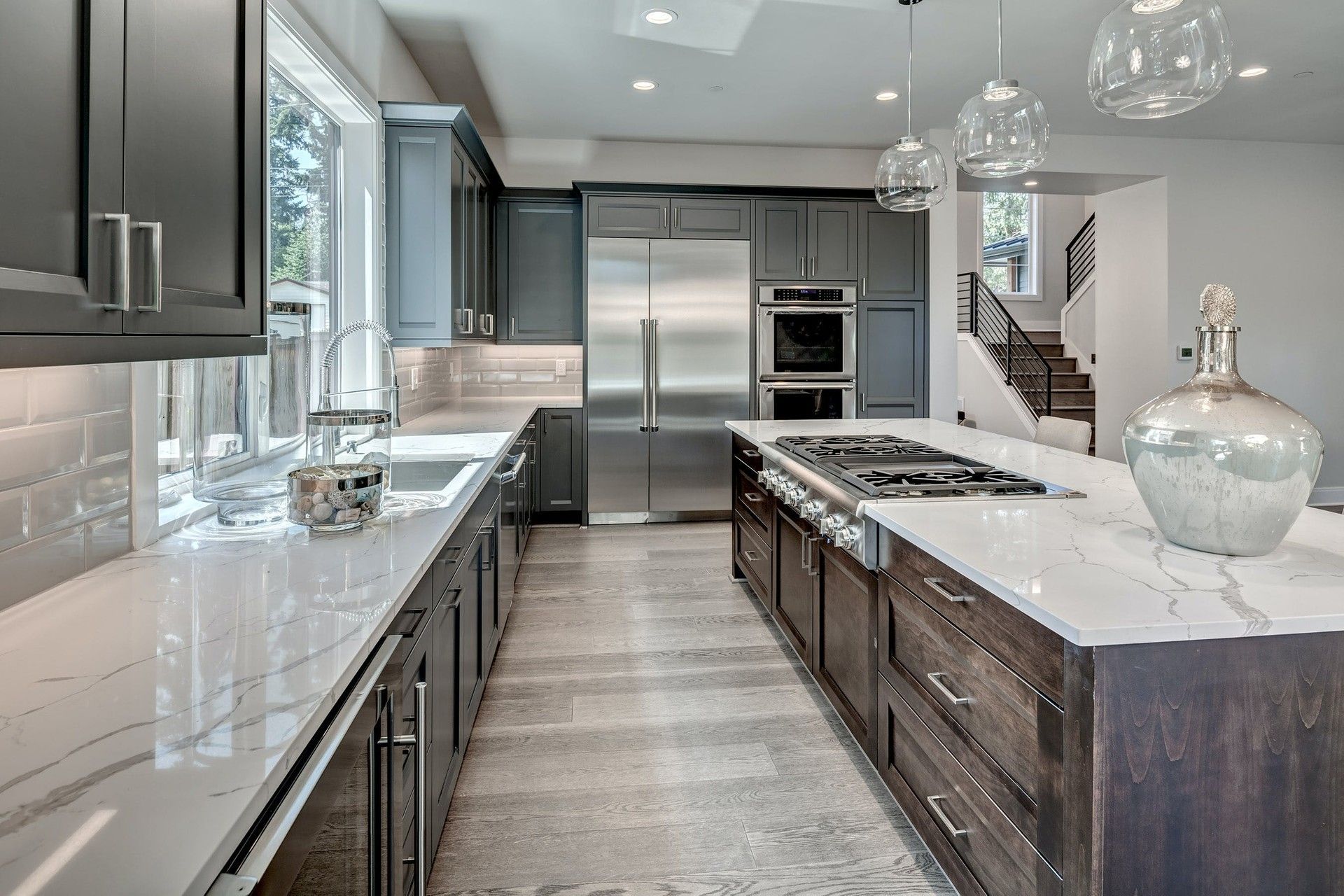
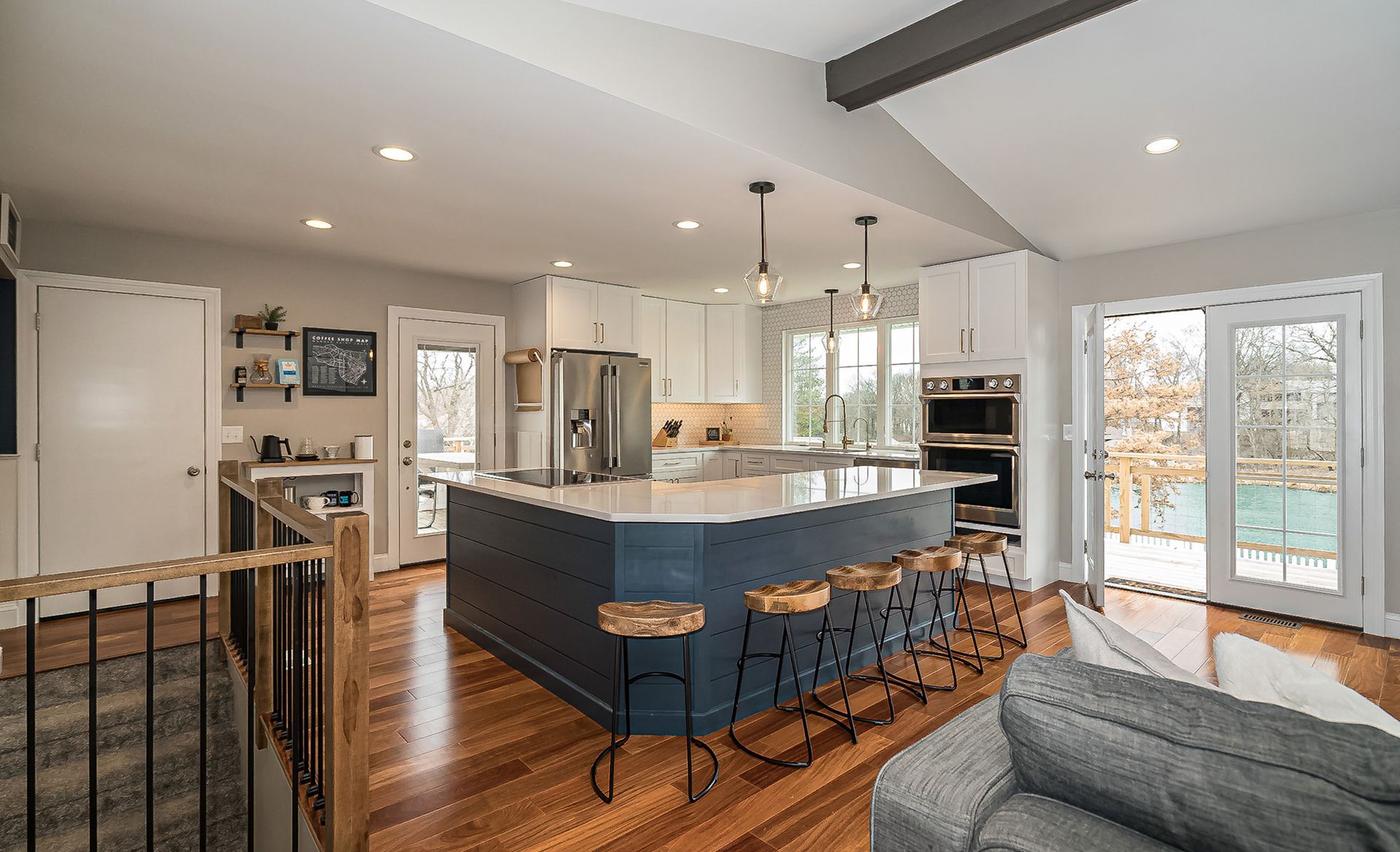
How Long Does a Kitchen Remodel Take?
K&D Development states that most kitchen remodels take approximately four to eight weeks to complete, depending on the size and complexity of the project.
A simple update may move faster, while a kitchen involving layout changes, custom cabinetry, plumbing relocation, and extensive electrical work can require more time.
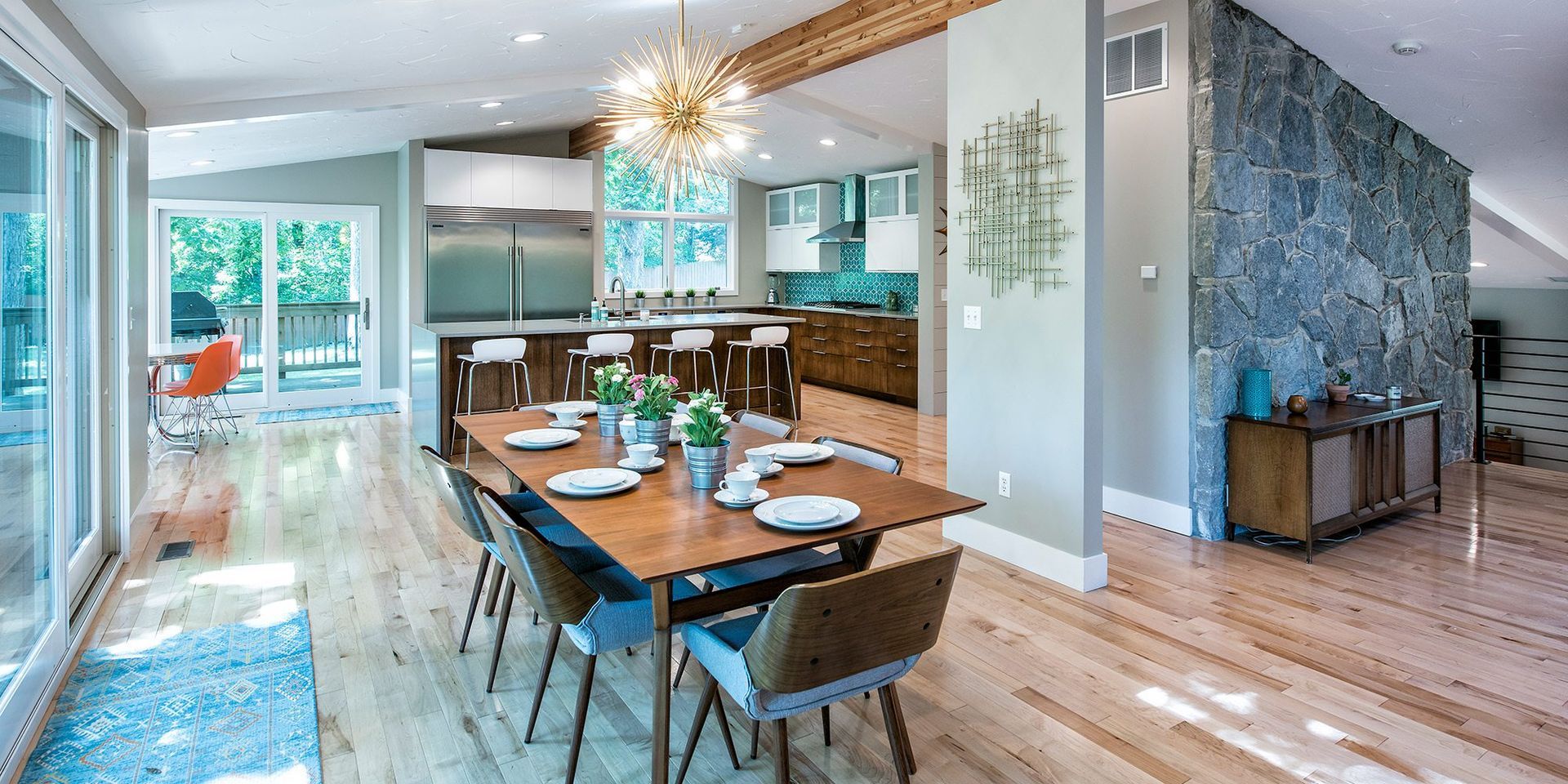
How Long Does a Full House Remodel Take?
K&D Development estimates that most full house remodels take approximately three to six months, although larger or more detailed projects can take longer.
The condition of the home and the number of systems being updated can make a major difference.
How to Prevent Unnecessary Delays
Make Decisions Early
Waiting until construction has started to choose materials can slow down the project.
Try to finalize major selections before the contractor needs them.
Avoid Constant Changes
Changes during construction can disrupt the schedule.
If you decide to change the layout after work has started, the contractor may need to redo completed work or wait for new materials.
Work With a Coordinated Team
Having one team responsible for coordinating the project can simplify communication.
A general contractor can manage schedules between different trades and help keep the project moving.
What If the Timeline Changes?
Even a well planned renovation can encounter unexpected conditions.
A wall may reveal an existing problem. A material may be delayed. An inspection may require additional work.
The important thing is communication.
Ask your contractor to explain what changed, why it changed, how it affects the schedule, and whether it affects the budget.
Final Thoughts
A renovation timeline is more than a start date and an end date.
It is a sequence of design, planning, permitting, demolition, construction, finishing, and inspection.
The better those stages are planned, the easier it is to keep the project organized.
If you are considering a kitchen remodel, full house renovation, basement project, or addition in Denver, K&D Development can help you plan the project and coordinate construction from start to finish.
Contact K&D Development to discuss your renovation plans.
Have you completed a renovation before? How long did your project take? Share your experience in the comments or send this article to someone preparing for a remodel.