
Common Appliance Water Leaks in Denver Homes: Washer, Water Heater, and Dishwasher
You walk into the kitchen and find a warped floor with a musty smell near the dishwasher. The supply line behind it has been weeping for weeks. This is how most appliance water leaks in Denver begin, quiet and slow, until the damage is already done. Knowing which appliances fail, and what to do first, protects both your home and your budget.
Key Takeaways
- Washing machines, water heaters, and dishwashers cause most household appliance leaks in Denver homes.
- Water damage and freezing rank among the most common and costly homeowners insurance claims nationwide.
- Act within 24 to 48 hours, because mold begins growing on wet materials fast.
The Three Appliances Behind Most Denver Water Leaks
A handful of appliances account for the majority of indoor water losses. Each one fails in a predictable way. Watching for the early signs saves you from a full-blown flood.
Washing Machines
The rubber supply hoses behind a washer are the usual culprit. They sit under constant water pressure, even when the machine is off. Over five to eight years, that rubber cracks, bulges, or bursts. A failed hose can release hundreds of gallons onto the floor within an hour. Swapping old hoses for braided stainless-steel lines cuts the risk sharply.
Water Heaters
Most water heaters here sit in a basement or a utility closet. Tanks corrode from the inside as sediment builds up over time. Denver's mineral-heavy municipal water speeds that internal wear along. A slow drip at the base or a rusty puddle means the tank is failing. Once a tank splits, 40 to 50 gallons can flood a finished basement fast.
Dishwashers
Dishwasher leaks usually trace back to a worn door gasket, loose fittings, or a clogged drain. The water often escapes under the cabinet, where you cannot see it. By the time it reaches the open floor, the subfloor may already be soaked. A damp cabinet base or buckled flooring is your early warning.
Why a Small Appliance Leak Becomes Major Water Damage
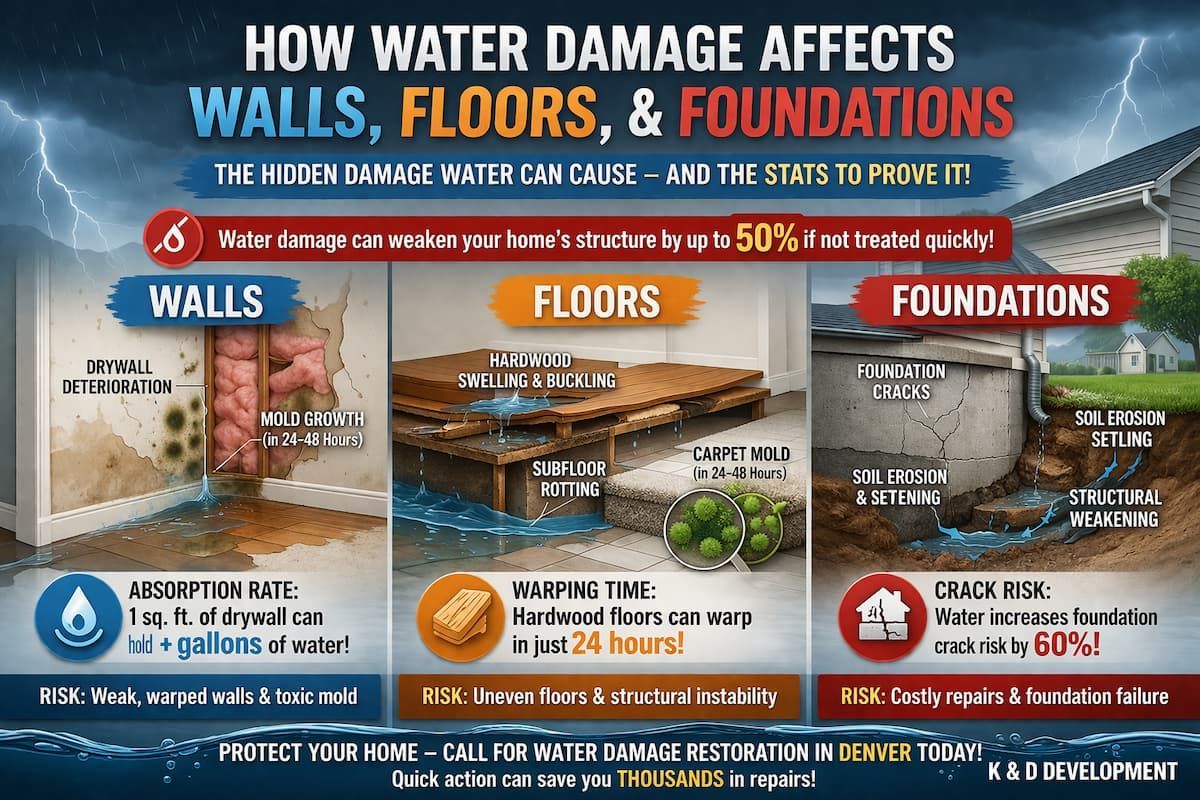
Clean water from a supply line looks harmless at first. The real problem is where it travels and how long it sits. Water wicks into drywall, subfloor, and cabinets within minutes. According to the Insurance Information Institute, water damage and freezing rank among the most frequent homeowners insurance claims. Left alone, a small leak turns into a structural and health problem.
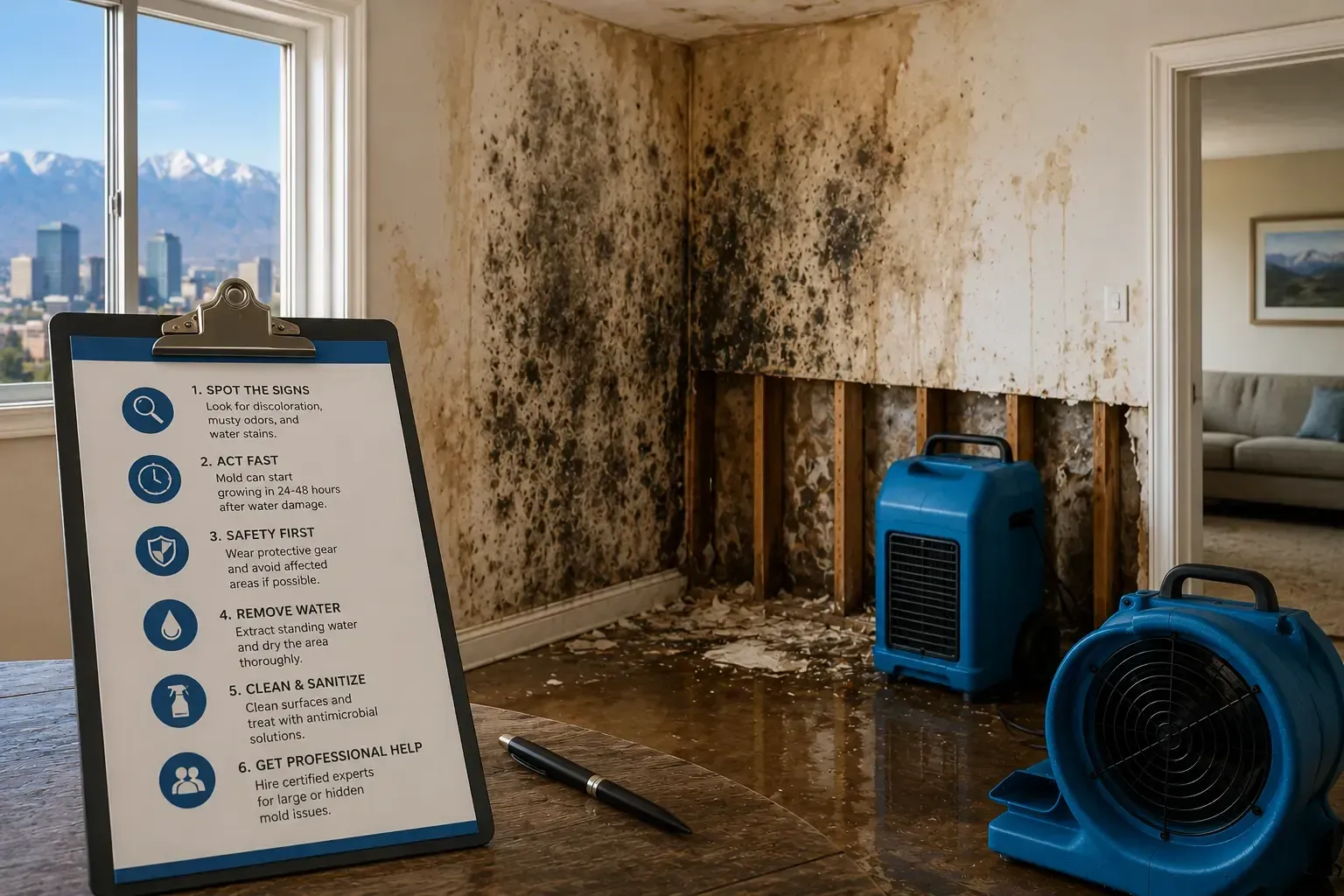
Mold is the fastest-moving threat that follows. The EPA advises drying wet materials within 24 to 48 hours to prevent mold growth. In a Denver basement with limited airflow, spores can take hold even sooner. That is why response speed matters more than the size of the puddle.
What to Do the Moment You Find an Appliance Leak
Fast, calm action limits both the damage and your repair bill. Follow these four steps as soon as you spot water.
Shut Off the Water
Close the shutoff valve behind or beneath the appliance first. If you cannot find it, use your home's main water shutoff instead. Stopping the source is always the opening move.
Cut the Power Safely
If water sits near outlets or the appliance, switch off the breaker for that area. Never stand in standing water to reach a plug. Safety comes before any cleanup.
Document the Damage
Photograph the appliance, the water, and every wet surface before you move anything. Your insurer will want this visual record. Clear photos help a claim move faster.
Call a Restoration Pro
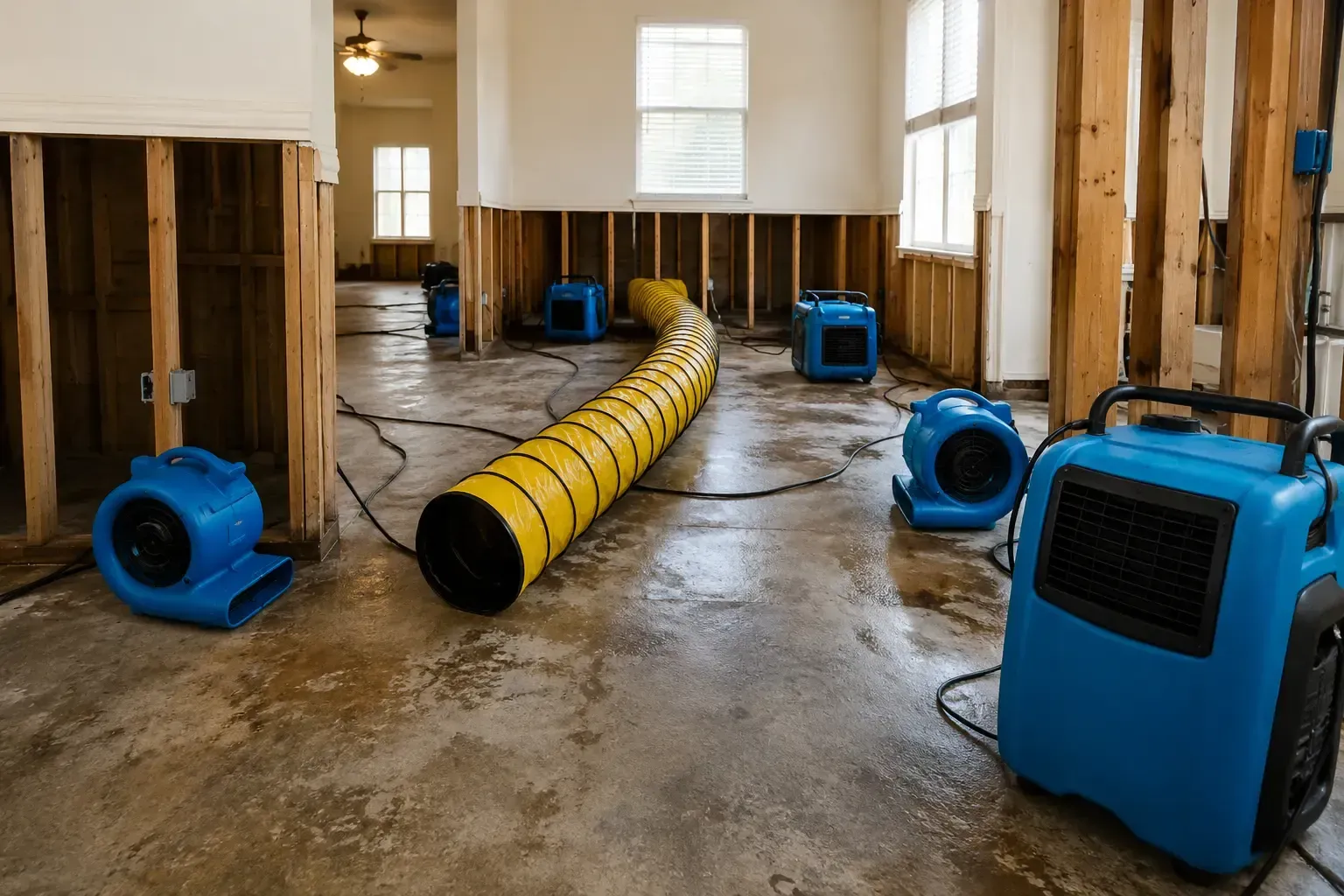
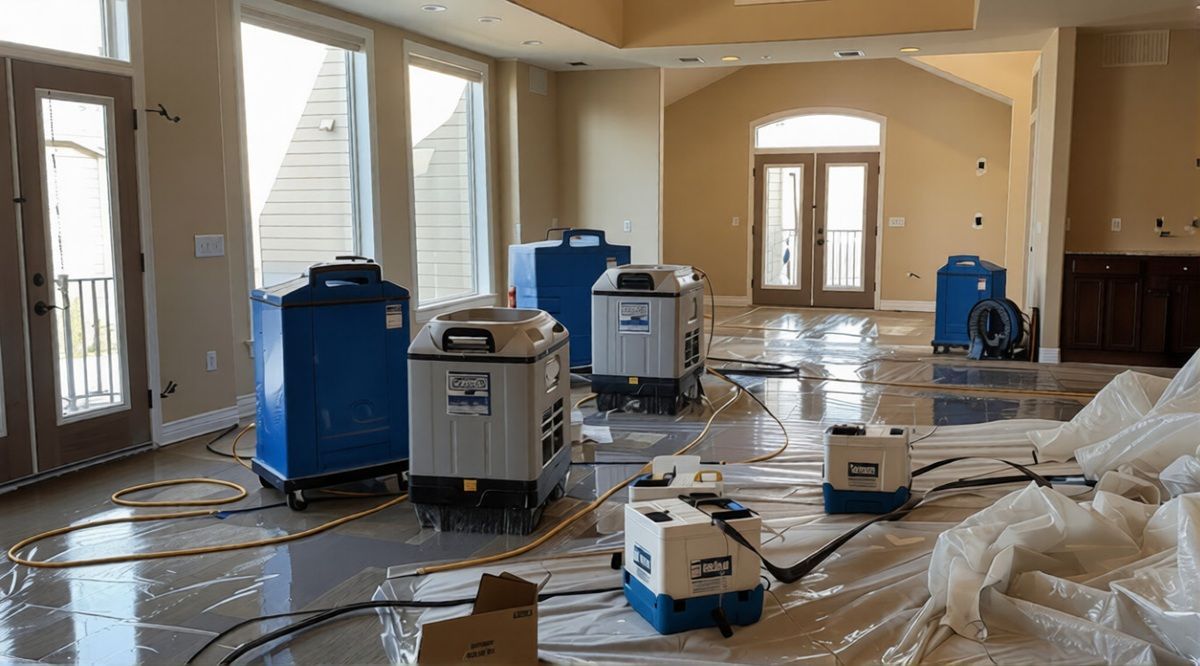
Standing water and hidden moisture need professional drying equipment to remove. A Denver restoration team like K&D Development can extract the water and dry the structure before mold sets in.
Does Home Insurance Cover Appliance Leak Damage in Denver?
This is the question most homeowners ask first. The answer usually turns on one word: sudden. A homeowners policy generally covers water damage that is sudden and accidental. A burst washer hose or a split water heater typically qualifies for coverage.
What a policy rarely covers is slow, long-term seepage. A gasket that dripped for months reads as a maintenance issue, not an accident. The appliance itself is also usually excluded from the payout. Keeping maintenance records helps you prove a leak was truly sudden.
How Denver Homeowners Can Prevent Appliance Leaks
Prevention always costs far less than restoration. A few simple habits keep small parts from becoming large claims.
- Replace washing-machine hoses every five years, and choose braided steel.
- Flush your water heater once a year to clear built-up sediment.
- Check under the dishwasher and kitchen sink for damp spots monthly.
- Learn where your main water shutoff is before an emergency hits.
- In winter, keep heat on in any room that holds water lines.
Denver's cold snaps add one more layer of risk. Water lines in unheated garages or crawl spaces can freeze and split. A little heat and insulation go a long way here.
Frequently Asked Questions
What appliance is most likely to leak?
Washing machines top the list, mostly because of aging rubber supply hoses. Water heaters and dishwashers follow close behind them. All three deserve regular checks.
Can I use my washing machine if the water heater is leaking?
Yes, you can. A leaking water heater only affects your hot water supply. Cold-water appliances still work, but shut off the heater to limit the damage.
Does homeowners insurance cover a leaking dishwasher?
Usually, if the leak is sudden and accidental. Damage from long-term neglect or a slow drip is often denied. Document the failure to support your claim.
How fast can an appliance leak cause mold?
Mold can begin within 24 to 48 hours on wet materials. Basements with poor airflow may see growth even sooner. Quick drying is your best defense.
Should I file a claim for a small appliance leak?
If the water reached drywall, flooring, or subfloor, then yes. Hidden moisture often costs far more than it first appears. A professional inspection reveals the true scope.
Caught an Appliance Leak? Move Before the Water Spreads
A dripping hose or a rusting tank rarely stays small for very long. The faster you shut off the water and dry the space, the less your Denver home suffers. When the damage is more than a towel can handle, call a pro. The water damage restoration team at K&D Development can extract, dry, and rebuild. Reach out to K&D Development today, and keep one small leak from turning into a full renovation.