
Efficient HVAC Upgrades for Sustainable Homes
Efficient HVAC Upgrades for Sustainable Homes
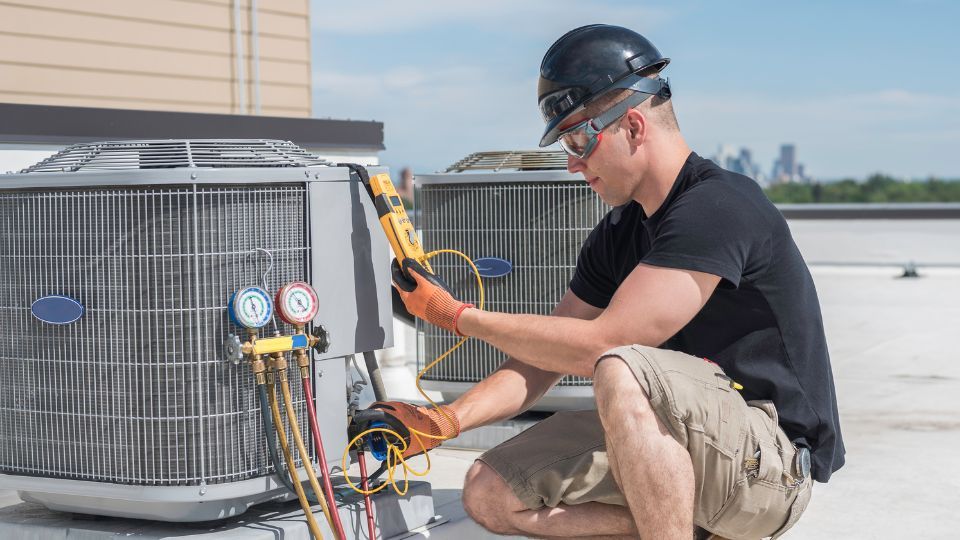
As we navigate the complexities of climate change and rising energy costs, homeowners are increasingly looking for ways to make their living spaces more sustainable. One of the most effective strategies is upgrading your HVAC (Heating, Ventilation, and Air Conditioning) system. A modern, efficient HVAC system not only enhances comfort but also reduces energy consumption and lowers your carbon footprint. In this blog post, we’ll explore various HVAC upgrades that can lead to a more sustainable home.
Understanding HVAC Efficiency
Understanding HVAC efficiency is vital for optimizing your home’s heating and cooling. The Seasonal Energy Efficiency Ratio (SEER) measures how effectively a cooling system converts electricity into cooling output over a season. A higher SEER rating indicates better efficiency, resulting in lower energy bills and enhanced comfort. For heating systems, the Annual Fuel Utilization Efficiency (AFUE) measures the percentage of fuel converted into heat. Systems with higher AFUE ratings consume less fuel while providing adequate warmth.
These efficiency ratings help you choose the right system that aligns with your sustainability goals. By investing in a unit with high SEER and AFUE ratings, you not only reduce energy consumption but also contribute to a greener environment.
Why Upgrade?
Upgrading your HVAC system comes with significant advantages that can enhance both your home and lifestyle. First and foremost, energy-efficient systems consume less energy, resulting in lower utility bills each month. This financial relief not only benefits your wallet but also contributes to a reduced environmental impact, as less energy use translates to fewer greenhouse gas emissions. By making this upgrade, you're taking an important step toward a more sustainable future.
Additionally, modern HVAC systems offer improved comfort through better temperature regulation and superior air quality. Homeowners can enjoy consistent temperatures year-round and healthier indoor environments. Moreover, energy-efficient homes often see increased property values, making an HVAC upgrade a wise investment for both immediate comfort and long-term financial gain.
Key Upgrades for HVAC Efficiency
Now that we understand the importance of HVAC efficiency, let’s explore specific upgrades that can help make your home more sustainable.
Upgrade to a High-Efficiency HVAC System
The first step is often the most significant—replacing your old system with a new, high-efficiency model. Look for systems with a SEER rating of 16 or higher for cooling and an AFUE rating of 90% or more for heating. While the upfront cost may be higher, the long-term savings on energy bills make it a wise investment.
Install a Programmable Thermostat
A programmable thermostat allows you to control your home's temperature more precisely. By setting schedules for heating and cooling, you can minimize energy use when you're not at home. Some advanced models even learn your habits and adjust automatically, maximizing efficiency without any extra effort on your part.
Enhance Insulation and Sealing
Proper insulation and sealing are critical to maintaining the efficiency of your HVAC system. Gaps and leaks in your home can lead to significant energy loss. Consider the following actions:
- Insulate Ductwork: If your ducts are uninsulated or poorly sealed, conditioned air may escape before reaching its destination.
- Seal Leaks: Use caulk or weather stripping around doors and windows to reduce drafts.
- Add Insulation: Upgrade your attic insulation to ensure that heated or cooled air stays inside.
Opt for Energy Recovery Ventilators (ERVs)
Energy Recovery Ventilators (ERVs) are a game-changer for homes looking to improve indoor air quality while maintaining energy efficiency. These systems exchange stale indoor air for fresh outdoor air without wasting energy. They capture the energy from outgoing air and use it to precondition incoming air, helping to keep your home comfortable while reducing energy use.
Upgrade to a Variable Speed Blower
A variable-speed blower motor can significantly enhance the efficiency of your HVAC system. Unlike traditional single-speed motors, variable-speed blowers adjust their speed based on the heating or cooling demand. This means quieter operation, better humidity control, and less energy consumption.
Install Zoned HVAC Systems
Zoned HVAC systems allow you to control temperatures in different areas of your home independently. This is especially useful in larger homes where some rooms may receive more sunlight than others. By only heating or cooling the spaces you’re using, you can reduce energy consumption and improve overall comfort.
Utilize Smart Technology
Smart HVAC technology goes beyond programmable thermostats. With smart sensors and apps, you can monitor and control your HVAC system remotely. This technology helps you make real-time adjustments, ensuring optimal efficiency at all times. For instance, you can adjust your system if you leave home unexpectedly, preventing unnecessary energy waste.
Regular Maintenance
Finally, regular maintenance is key to keeping your HVAC system running efficiently. Schedule annual professional check-ups to ensure your system is clean and functioning optimally. Regularly changing filters, cleaning coils, and checking refrigerant levels can help maintain peak performance and efficiency.
The Importance of Indoor Air Quality
While improving energy efficiency is critical, we must also consider indoor air quality (IAQ). A sustainable home should be a healthy home. Poor indoor air quality can lead to various health issues, from allergies to respiratory problems. Fortunately, many of the HVAC upgrades mentioned also enhance IAQ.
- Air Purifiers: Installing air purifiers in your HVAC system can help reduce allergens and pollutants, improving overall air quality.
- Humidity Control: Maintaining optimal humidity levels (between 30-50%) can prevent mold growth and improve comfort.
Financial Incentives for Upgrades
Upgrading your HVAC system can indeed be a substantial investment, but financial incentives are available to ease the burden. Many local and federal governments provide tax credits and rebates aimed at encouraging homeowners to adopt energy-efficient technologies. These incentives can significantly reduce the upfront costs of purchasing and installing a new system, making it more accessible for many families.
It’s essential to research the programs available in your area, as they can vary widely. Additionally, some utility companies offer their own rebates for energy-efficient upgrades, further enhancing potential savings. Taking advantage of these financial incentives not only makes upgrading more affordable but also contributes to a more sustainable environment.
The Bigger Picture
Upgrading your HVAC system is a vital part of creating a sustainable home, but it represents just one piece of a broader commitment to energy efficiency and environmental stewardship. By improving your HVAC, you’re not only enhancing your comfort but also taking meaningful action towards reducing your carbon footprint. This upgrade should be complemented by adopting other eco-friendly practices.
Incorporating energy-efficient appliances, harnessing renewable energy sources like solar power, and implementing water conservation strategies can amplify your sustainability efforts. Together, these changes create a harmonious living environment that conserves resources and promotes a healthier planet. Embracing a comprehensive approach to sustainability ensures that every aspect of your home contributes to a brighter future.
Conclusion
Investing in efficient HVAC upgrades is a significant step towards creating a sustainable home. Enhancing an HVAC system not only leads to lower energy bills and improved comfort but also contributes to a healthier environment. Pairing these upgrades with other sustainable practices can maximize a home's efficiency and eco-friendliness. K&D Development located at 2951 W 91st Pl, Federal Heights, CO 80260 United States is dedicated
to helping homeowners make informed choices about HVAC systems and sustainability efforts. Together, it is possible to build a greener future, one home at a time.