
Spring Snowmelt & Basement Flooding: Denver Prevention Guide
The snow finally melts, the yard turns to mud, and then you smell it downstairs. A damp basement after a warm spell is a familiar spring story along the Front Range. Denver's freeze-thaw cycle sends a surge of water toward foundations every March and April. The good news is that most of this damage is preventable with the right home upgrades. This guide explains why spring snowmelt causes basement flooding in Denver, and how to stop it.
Key Takeaways
- Frozen or saturated ground forces meltwater against your foundation, where it finds cracks.
- Simple fixes like grading, downspout extensions, and a sump pump prevent most flooding.
- Standard homeowners insurance does not cover snowmelt flooding, so prevention is your best protection.
Why Spring Snowmelt Floods Denver Basements
Snowmelt flooding is not random. It follows a predictable pattern across Denver and the Front Range. Understanding the cause points you straight to the fix.
When the ground is still frozen, melting snow has nowhere to soak in. The water pools against your foundation walls instead. From there it pushes through any crack, gap, or porous spot it can find. A warm afternoon after a heavy snow can release weeks of moisture at once.
Our regional soils make the problem worse. Much of the Denver metro sits on expansive clay that swells when wet. That clay holds water against the foundation rather than draining it away. Older homes in areas like Aurora, Lakewood, and Wheat Ridge often have aging drainage that cannot keep up.
Warning Signs Your Basement Is at Risk
You can spot trouble before the water arrives. Walk your home during a thaw and look for these clues.
- Water stains or a chalky white line low on basement walls.
- Hairline cracks in the foundation or around basement windows.
- Downspouts that dump water right beside the house.
- Soil that slopes toward the foundation instead of away from it.
- A musty smell or damp carpet after a warm, melting day.
How to Prevent Basement Flooding From Snowmelt
Most snowmelt flooding traces back to water sitting where it should not. Move that water away, and the problem largely disappears. These steps range from quick weekend tasks to lasting improvements.
Manage the Water Outside
Start where the water starts. Clear snow at least three to five feet away from your foundation walls. Extend downspouts so they release water well beyond the house. Keep gutters clean so melt does not spill against the foundation.
Fix the Grade and Drainage
The soil around your home should slope away on every side. A proper grade carries meltwater toward the yard, not the basement. Window wells need covers and working drains so they do not fill like buckets. For expansive Denver clay, a buried drain line often makes the biggest difference.
Seal and Add a Sump Pump
Small foundation cracks are an open door for meltwater. Sealing them early stops seepage before it starts. A sump pump with a battery backup removes water that still gets in. Together, these two upgrades protect the space through every spring thaw.
What to Do If Your Basement Floods
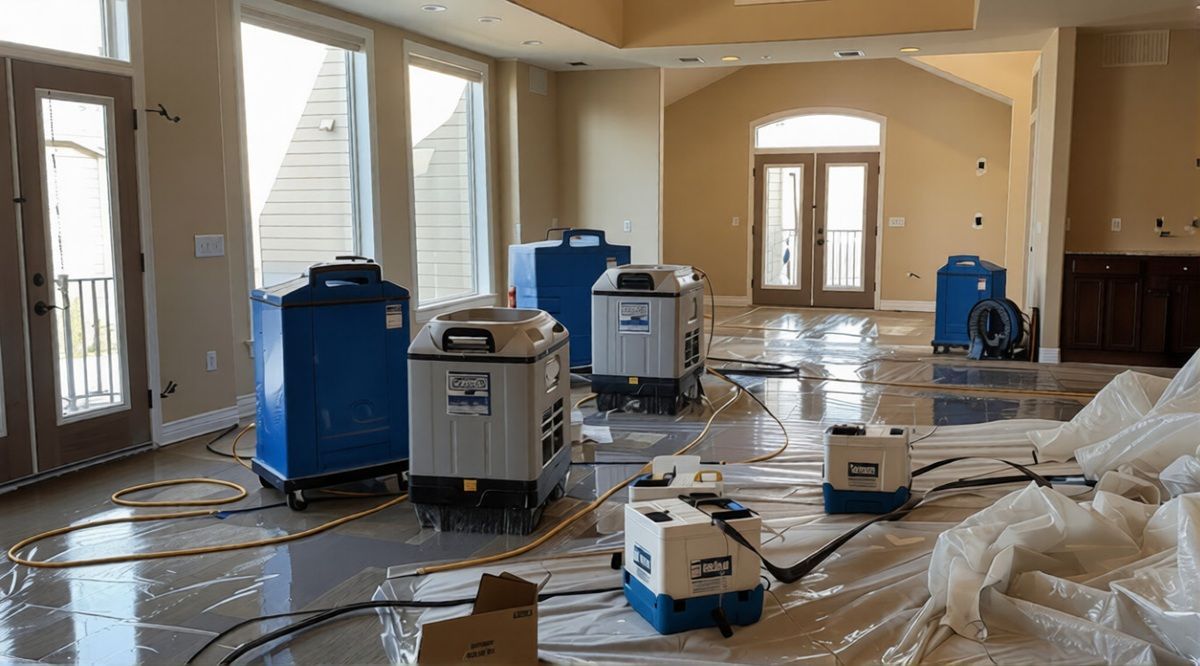
Even a well-prepared home can take on water in a record melt. Act quickly to limit the damage. Speed is what keeps a wet floor from becoming a gut renovation.
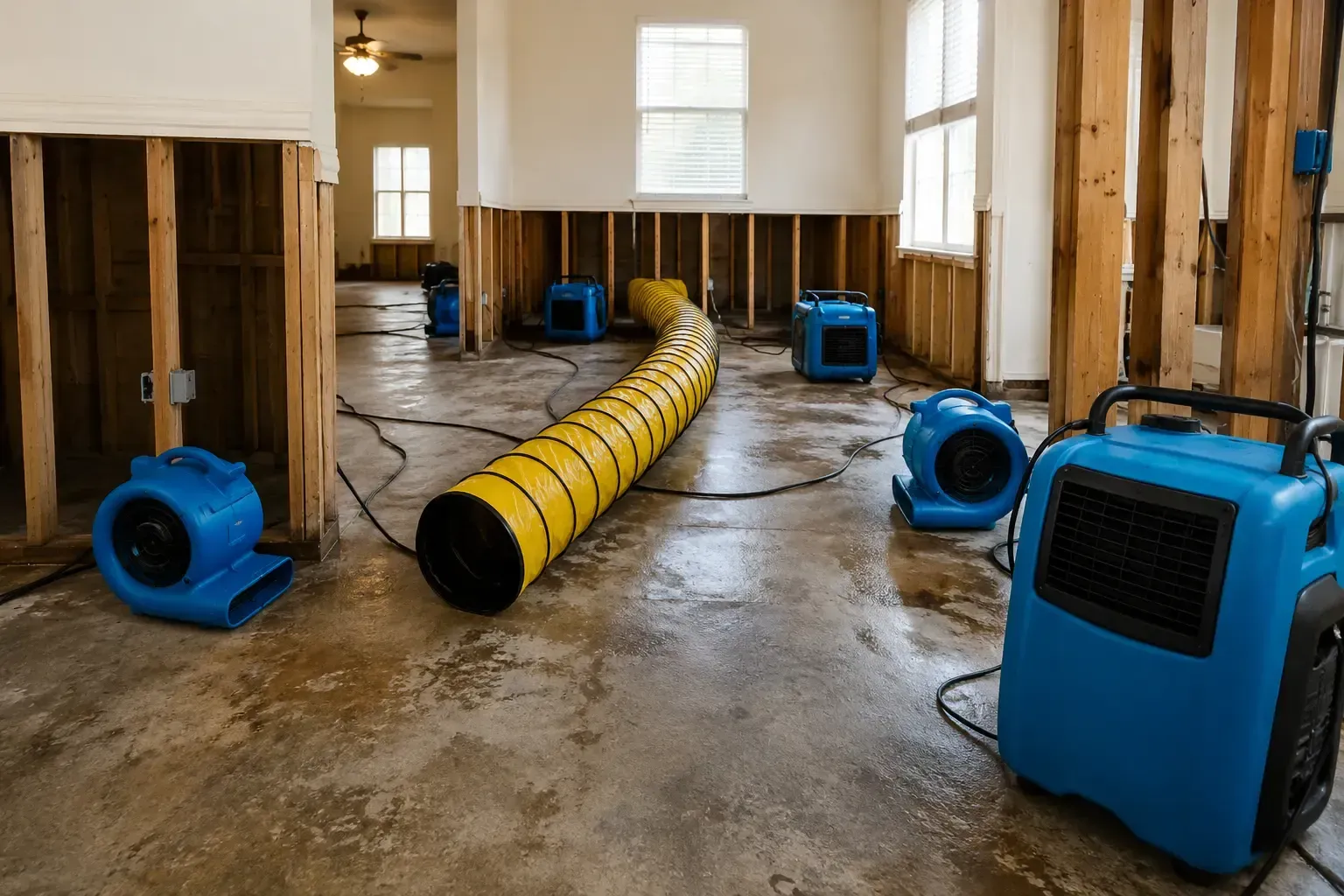
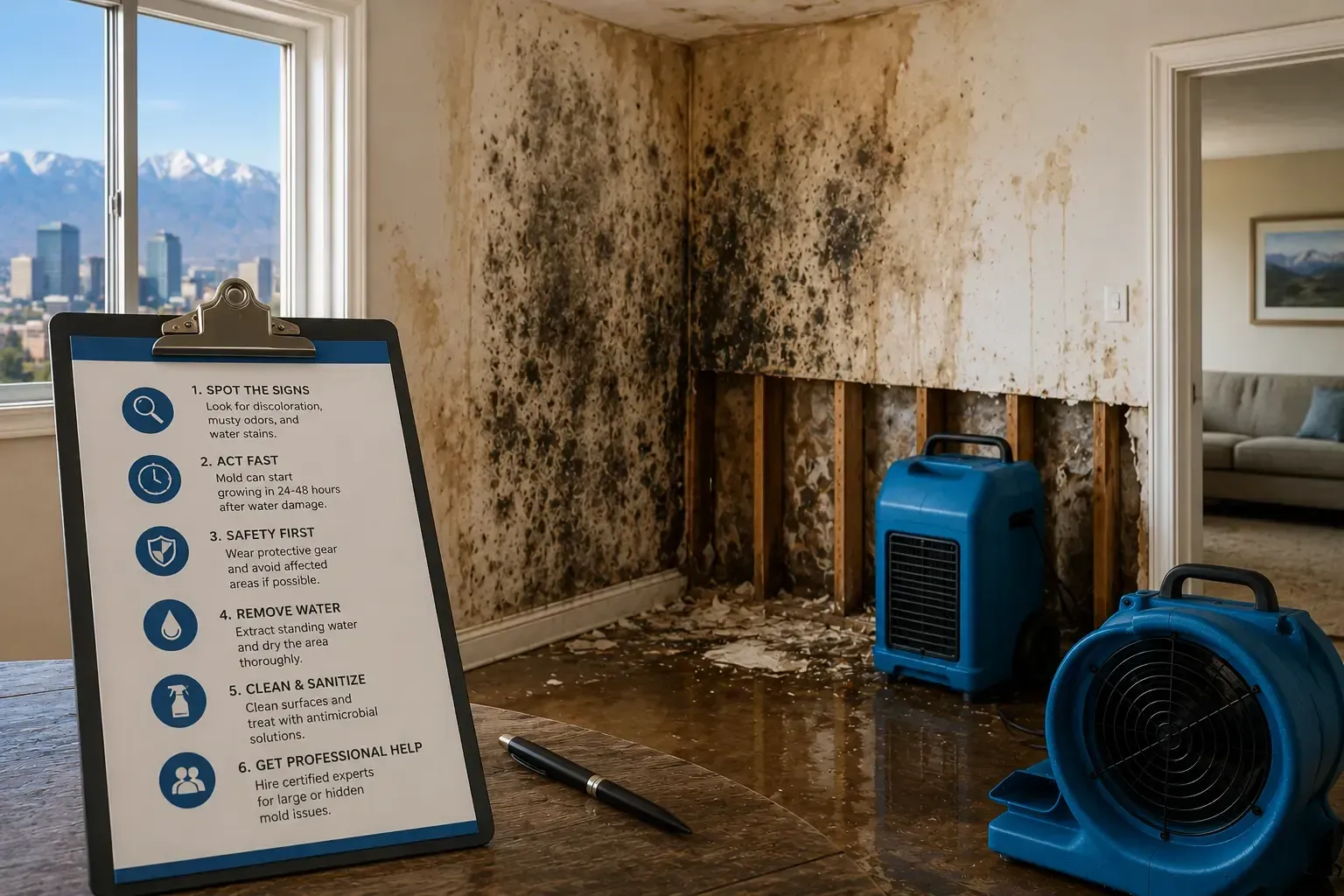
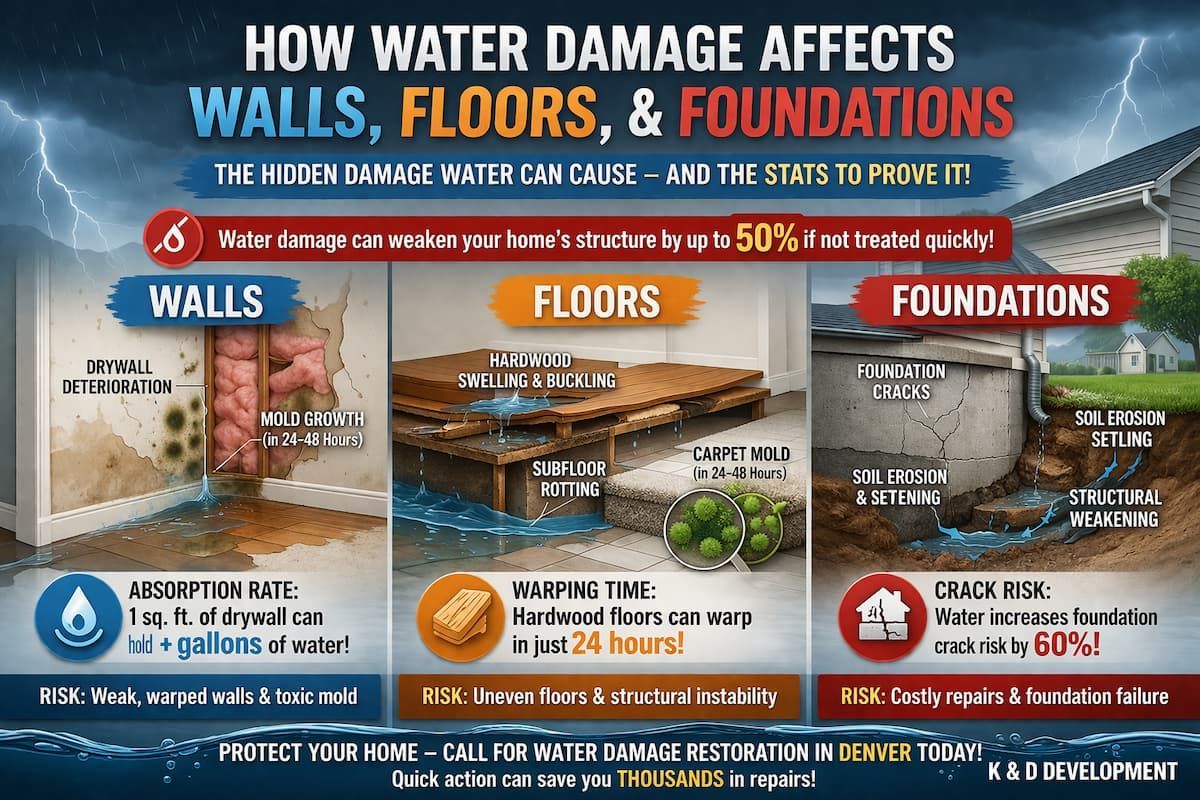
First, stay safe and keep away from outlets or panels near standing water. Next, stop the source if you can and start removing water. Then dry the space fast, because the EPA warns that mold grows within 24 to 48 hours. Run fans, open windows, and pull up soaked materials. For deep or sewage-tainted water, call a water damage professional for extraction.
Once the space is dry, fix the cause before you rebuild. Finishing a basement over an unsolved moisture problem invites a repeat flood. As a Denver general contractor, K&D Development builds waterproofing and drainage into every basement project. That way the finished space stays dry season after season.
Will Insurance Cover Snowmelt Basement Flooding?
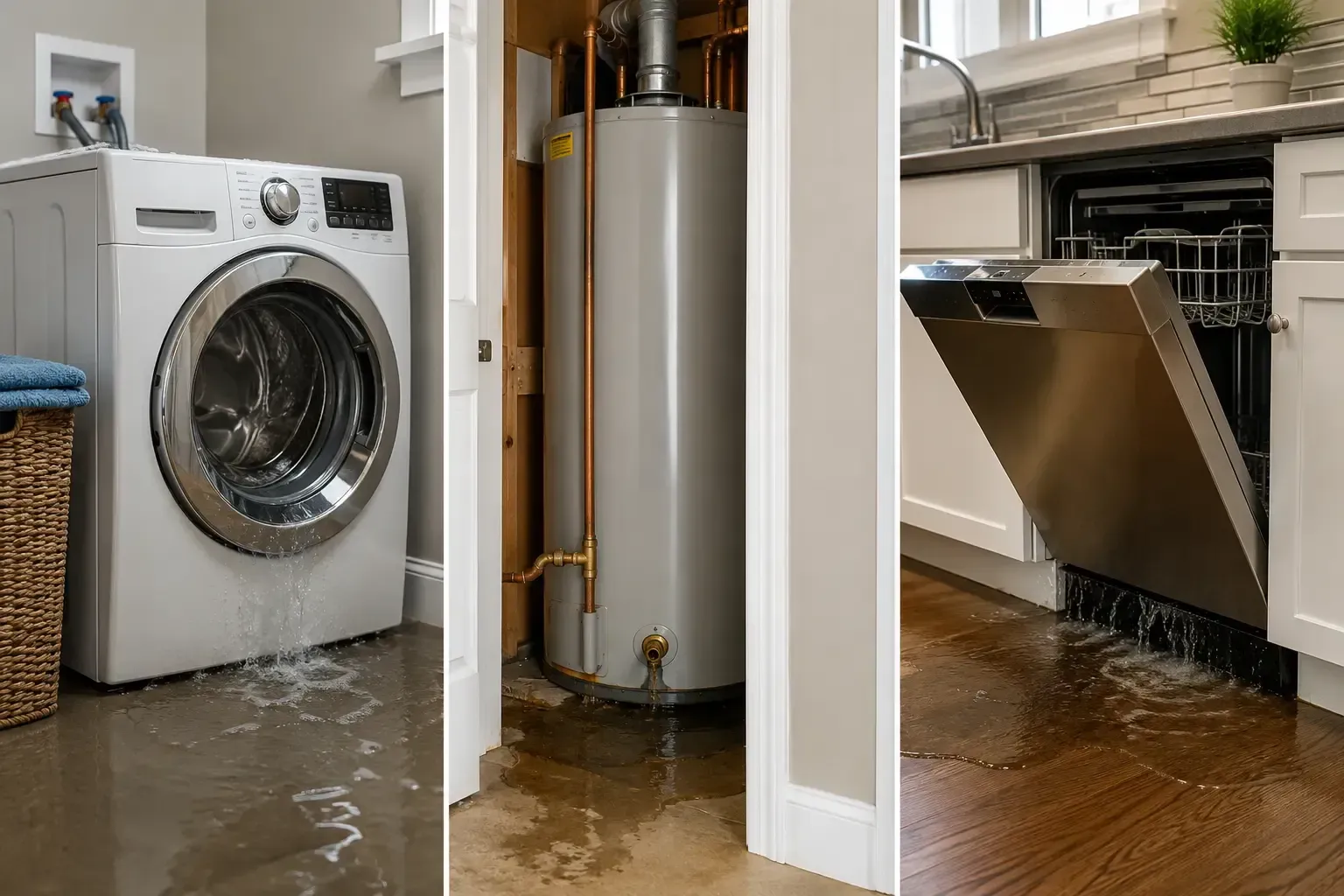
This surprises many Denver homeowners at the worst possible time. Standard homeowners insurance usually does not cover snowmelt flooding. It may pay for a sudden internal leak, like a burst pipe or failed water heater. Surface water, runoff, and ground seepage are generally excluded.
Flooding from outside water needs a separate policy. FEMA notes that most homeowners insurance does not cover flood damage, so flood insurance is sold through the National Flood Insurance Program. New flood policies usually carry a 30-day waiting period. That timing is another reason to prevent the water long before spring.
Frequently Asked Questions
Why does my basement flood when snow melts?
Frozen or saturated ground cannot absorb the meltwater, so it pools against your foundation. From there it seeps through cracks, gaps, and porous concrete. Poor grading and clogged downspouts make the problem worse.
How do I keep melting snow out of my basement?
Clear snow away from the foundation and extend your downspouts. Keep gutters clean and seal foundation cracks. Add a sump pump with a battery backup for extra protection.
Does homeowners insurance pay for basement flooding?
Usually not for snowmelt or surface flooding, which standard policies exclude. It may cover a sudden internal leak, like a burst pipe. Outside floodwater requires a separate flood insurance policy.
How fast does mold grow after a basement flood?
Mold and mildew can begin within 24 to 48 hours of water exposure. It keeps spreading until the moisture source is removed. Drying the space quickly is the best way to prevent it.
Finishing or Fixing a Denver Basement? Build It Dry
Spring snowmelt is a leading cause of basement flooding in Denver, but it does not have to reach your floor. The right grading, drainage, and waterproofing keep meltwater where it belongs. When you plan a basement finish or a fix after a wet spring, build in that protection from the start. K&D Development helps Denver and Front Range homeowners create basements that stay dry and usable for years. Reach out to
schedule a free estimate before the next thaw.